The Route In: Walking Your Club Night as If It Had to Work for Everyone
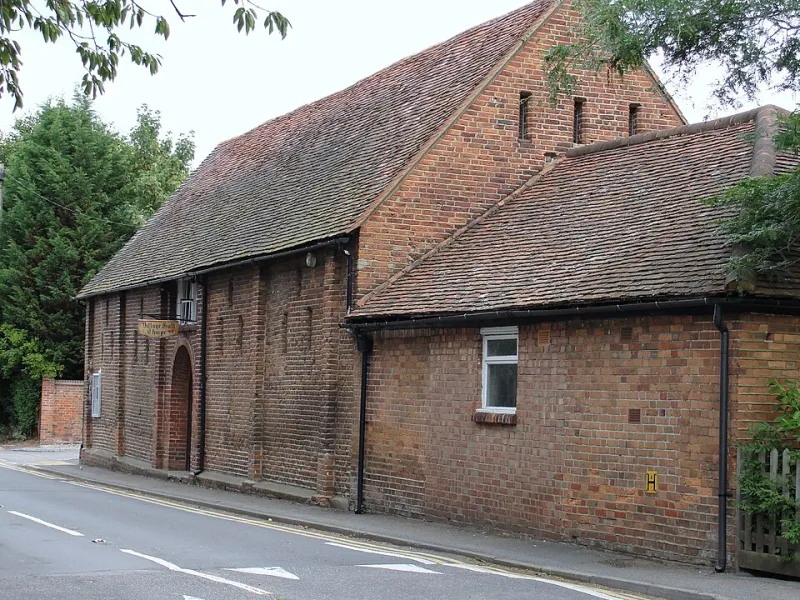
Photo: Pi.1415926535, CC BY-SA 3.0, via Wikimedia Commons
It is 6.40pm on a damp November evening and I am standing on the pavement outside a village hall with a tape measure, a notebook and the slightly awkward feeling that I have brought a clipboard to a social event. The hall is lit. The kettle is audible. A hand-painted sign says Club Night, 7pm. From the road, it looks welcoming. From the pavement, it looks like a set of small decisions somebody made years ago and nobody has tested since.
This is not an official access audit. I am not qualified to sign off a building. But every club can do a version of this walk: start where a member starts, follow the route they would follow, and ask what happens if they are a wheelchair user, a stick user, a parent with a pram, or simply a nervous newcomer who needs the night to be legible before they open the door.
Start at the kerb, not the front door
The first barrier is often outside the building. Is there a dropped kerb, or does the route involve stepping into the road? Is the path gravel, grass, cobbles or a camber that tips a wheelchair sideways? Is the lighting good enough at 6.40pm in November, or does the last ten metres feel like a guess?
I paced the route from the bus stop. It took four minutes. It also involved a puddle the size of a dinner plate, a bin placed exactly where a turning circle should be, and a noticeboard that made me step into the road to read it. None of these things is a disaster on its own. Together, they are a sentence that says: this night is for people who already know the way.
The doorway is a sentence
The front door of the hall has a sign that says Please Use Main Entrance. The main entrance has two steps and a handrail on one side only. The side entrance has a ramp, but the ramp is behind the bins and the sign does not mention it. That is not an accessible entrance. That is a secret entrance.
Measure the clear opening, not the frame. A door frame can look generous while the actual gap, once the door is open, is narrow. Check the threshold. A two-centimetre lip under a heavy fire door is a wall to a wheel and a trip to a stick. Check the door weight. If it needs a shoulder to open, some people will need to ask for help before they have even said hello.
Then ask the question that changes everything: who is expected to ask for help? If the answer is the disabled member, the club has quietly outsourced access to the person it should be serving. A better answer is that the club has already removed the need to ask.
Seating is not a storage problem
Inside, the chairs are arranged in rows, with a gap at the back for coats. The gap is also the only route to the kitchen. A wheelchair space is not a space if it is also the place where the folding table lives.
I tried sitting in three chairs. One had arms, which helps some people stand; one was too low; one was stacked against the wall because it wobbled. The wobble had been known about since the summer. Nobody had written it down. A club does not need a full furniture audit, but it does need one person to sit in the chairs occasionally and notice which ones make a person feel like a problem.
Leave a clear route between seats. Keep a chair with arms near the front. Make sure the quiet corner is actually quiet, not just the corner where the speaker is stored. And if the room has a hearing loop, test it, put a sign up, and make sure the person using it does not have to explain the equipment to the committee.
Signage, loo, and the small print of welcome
The signs are handwritten, which is charming, but the toilet sign is at knee height and the kitchen sign is behind a door. A stranger should be able to find the loo, the tea, the quiet room and the exit without asking three people. That is not about fancy graphics. It is about putting information where a person actually looks.
Then there is the loo. Is it reachable? Is it locked with a key that lives in the kitchen? Is there a queue that makes asking feel impossible? A club night is not a hospital, but it is a social event, and social events run on dignity. If the accessible loo is also the storage cupboard, the message is clear enough.
The social step is a step too
The physical route matters, but so does the social one. At the welcome table, a newcomer is asked to fill in a form, find a name badge and explain who they know. For some people, that is a pleasant ritual. For others, it is a second flight of stairs.
Try a simpler arrival. A person at the door whose only job is to say hello and point at the tea. A chair near the entrance for anyone who needs to sit down before taking off a coat. A named contact on the listing who can answer the question: will I be able to get in and find a seat?
What to change before next week
You do not need a grant to fix most of this. Move the bin. Put the ramp sign at the front. Test the loop. Widen the chair route. Move the toilet sign to eye level. Ask a member who uses a stick or a wheelchair to walk the route with you and pay them for their time, in tea if not in money. Then write down what you find and check it again next season.
Access is not a one-off inspection. It is a habit of noticing. The club night already has a route in. The question is whether that route was designed for everyone or just for the people who have been walking it for years.