Neighbourhood Life UK clubs, events and neighbours.

Neighbourhood Life

UK clubs, events and neighbours.

Latest Articles

One Glove, No Owner: What the Club Lost-Property Box Knows About Us
Clubs & Social Groups

One Glove, No Owner: What the Club Lost-Property Box Knows About Us

A plastic tub by the door is more than clutter. From nervous newcomers to distracted regulars, the lost-property box is a small social barometer — and a chance for clubs to practise noticing. Here is a simple, kind system for labelling, displaying and returning what gets left behind.

The Borrowed Marquee and the Biscuit Tin: A Sane Code for Club Kit That Travels
Clubs & Social Groups

The Borrowed Marquee and the Biscuit Tin: A Sane Code for Club Kit That Travels

A gazebo, a tea urn and a folding table can quietly tie a neighbourhood together — as long as they come back. Here is a friendly, practical code for clubs that lend and borrow community kit without the awkwardness.

Silence Is Not a Problem: The Club Night Layout That Lets People Arrive Slowly
Clubs & Social Groups

Silence Is Not a Problem: The Club Night Layout That Lets People Arrive Slowly

Most club nights are designed for the confident. A small table, a sign and a host who knows when to step back can change that — without turning the evening into a support group.

The Room Speaks First: A Seating Audit for Club Nights
Clubs & Social Groups

The Room Speaks First: A Seating Audit for Club Nights

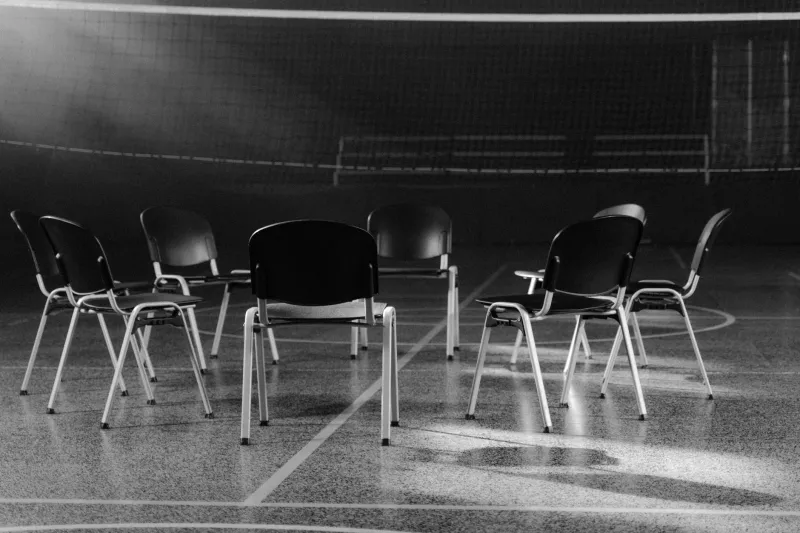
Before the kettle boils and the welcome speech begins, your chairs have already said something to everyone who walks in. A friendly, practical look at how seating shapes club nights — and a ten-minute audit for village halls and community rooms.

Two Sugars and a Way In: Why the Club Tea Table Beats the Welcome Speech
Clubs & Social Groups

Two Sugars and a Way In: Why the Club Tea Table Beats the Welcome Speech

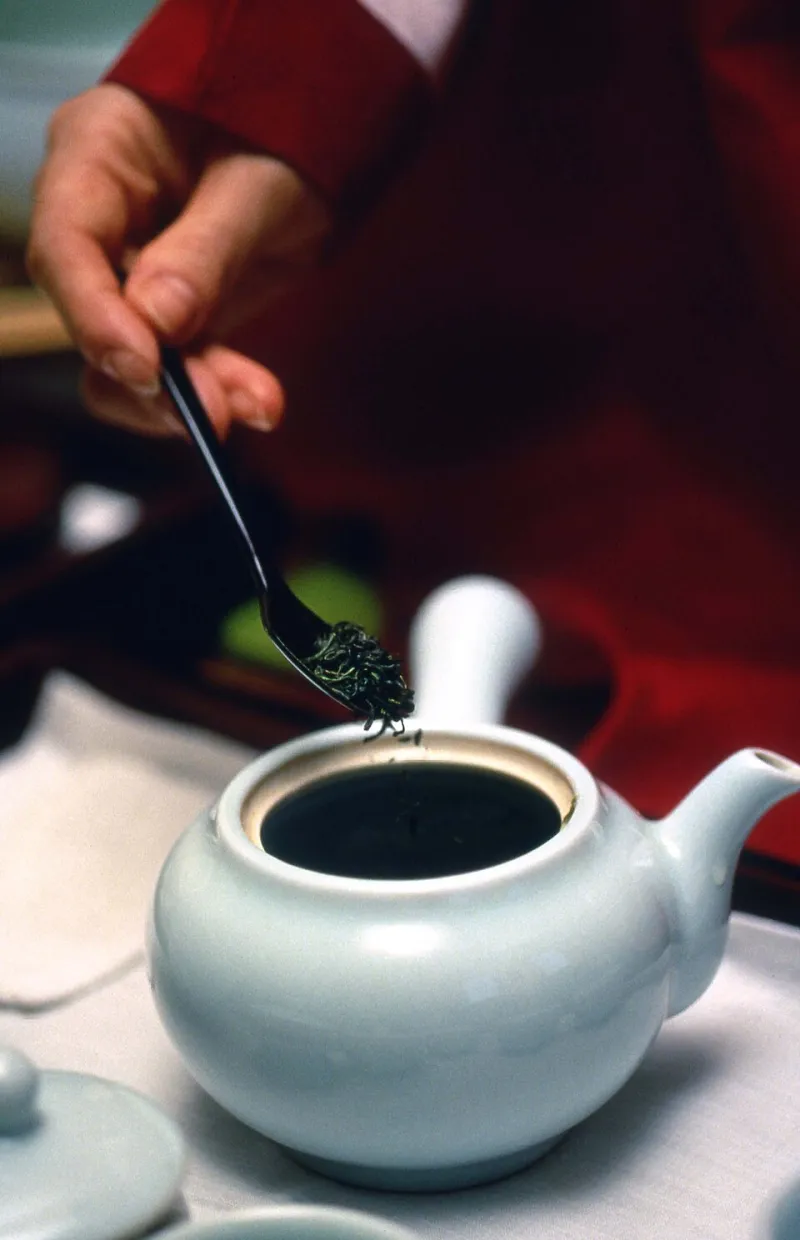
Tea duty gets filed under chores, but it is often the gentlest route into a UK club for anyone who finds the main room a lot. Here is how a 2026 tea rota can turn a shy newcomer into a useful pair of hands — without turning the kettle into an audition.

The Second First Night: Making Room for Club Returners
Clubs & Social Groups

The Second First Night: Making Room for Club Returners

Most clubs pour their energy into first-timers, but the quieter retention win is the member who reappears after months away. A low-pressure welcome routine — no doorstep quiz, a named buddy, a short what’s-changed note and a genuine lift home — can turn a hesitant return into a habit.

The Front-Door Ritual: What Your Club’s Sign-In Sheet Is Really Saying
Clubs & Social Groups

The Front-Door Ritual: What Your Club’s Sign-In Sheet Is Really Saying

It sits by the door, slightly dog-eared, often ignored until someone needs it. But the club sign-in sheet is more than paperwork — it is a safety net, a welcome mat and a quiet way of saying: we counted you in.

The Clear-Up Is Not a Loyalty Test: Making the Last Fifteen Minutes of Club Night Work for Everyone
Clubs & Social Groups

The Clear-Up Is Not a Loyalty Test: Making the Last Fifteen Minutes of Club Night Work for Everyone

The chairs don't stack themselves, but the way a club handles the pack-down says plenty about who feels at home. A look at the quiet politics of the last fifteen minutes—and how to make clearing up a shared, low-pressure part of belonging.

When the Lights Go Off: The Club Job Nobody Puts on the Poster
Clubs & Social Groups

When the Lights Go Off: The Club Job Nobody Puts on the Poster

The meeting is over, the biscuits are back in the tin and everyone says their goodbyes. Then comes the quiet half-hour that keeps a club running — and quietly wears out the same three people. Here is how to share the closing-down shift fairly, kindly and without turning it into a loyalty test.

The Bench in the Corridor: What Your Club's Plus-Ones Are Really Telling You
Clubs & Social Groups

The Bench in the Corridor: What Your Club's Plus-Ones Are Really Telling You

Every club night has them: the partner with a book, the dad on the plastic chair, the carer holding two coats. They didn't sign up, but they're part of the room. Here's how small, cheap welcomes for the people who come along keep the actual members coming back.

The Holdall by the Door: A Club Continuity Check for the Night the Keyholder Moves Away
Clubs & Social Groups

The Holdall by the Door: A Club Continuity Check for the Night the Keyholder Moves Away

Most clubs do not fold in a dramatic blaze of bad feeling. They stall quietly when the one person with the hall key, the alarm code and the supplier list moves house. Here is a friendly thirty-minute continuity check to do before the January AGM rush.

Wobbly Tripods and Real Faces: The Trust Signal Hiding in a Clumsy Club Photo
Clubs & Social Groups

Wobbly Tripods and Real Faces: The Trust Signal Hiding in a Clumsy Club Photo

A slightly wonky committee photo can do more for a local club than a glossy stock image ever will. Here’s why real faces, proper consent and a bit of visible imperfection help neighbours believe a group is genuinely open.

Pings After Dark: Keeping the Club Chat in Its Place
Clubs & Social Groups

Pings After Dark: Keeping the Club Chat in Its Place

Group chats keep UK clubs ticking between meetings, but they can also become an unelected committee that meets at 10:47pm. Here’s how to use the chat as a noticeboard, not a back room — and keep the real social life in the room.

Coat Rack Diplomacy: How Clubs Keep a Cold Hall Warm and the Budget Intact
Clubs & Social Groups

Coat Rack Diplomacy: How Clubs Keep a Cold Hall Warm and the Budget Intact

Every winter, a shared hall asks the same question: how do you make a room feel welcoming without turning the heating into a financial black hole? The answer is rarely a new boiler. It is a rota, a door snake and a blanket box by the coat rack.

The Tin, the List and the Loose Change: Small Club Money Is a Trust Habit
Clubs & Social Groups

The Tin, the List and the Loose Change: Small Club Money Is a Trust Habit

A £2 coin jar can look like trivia until nobody can remember who paid for the hall. Small club money is less about the total and more about the habit of being open, calm and a bit boring.

When the 8:40 Leaves Without You: Club Nights That Fit the Last Bus
Neighbourhood Features

When the 8:40 Leaves Without You: Club Nights That Fit the Last Bus

A 7:30 start looks harmless until you check the last bus. This winter, small changes to club timings, lifts and walking routes can decide whether the quietest member of your group actually makes it through the door.

Before the Biscuits: The Ten-Minute Test That Decides If a Newcomer Stays
Clubs & Social Groups

Before the Biscuits: The Ten-Minute Test That Decides If a Newcomer Stays

Most clubs think the meeting starts when the chair says hello. Newcomers know better. The first ten minutes — the door, the signs, the tea queue and the name badges — tell a visitor whether they are wanted or merely tolerated.

Four Cars and a Flask: How a Village Lift Rota Keeps Club Night Alive
Neighbourhood Features

Four Cars and a Flask: How a Village Lift Rota Keeps Club Night Alive

When the last bus leaves before the tea urn is switched on, a club’s survival can depend on four volunteers, a paper diary and a very reliable estate car. This is how one village lift rota works — and how your group could start one without drowning in paperwork.

The Back-Room Test: Six Changes You Notice When a Club Meets in a Pub
Neighbourhood Features

The Back-Room Test: Six Changes You Notice When a Club Meets in a Pub

Moving a club from a draughty hall to a pub back room is rarely just a change of address. Here are six practical shifts — from minimum spends and landlord diplomacy to who feels comfortable walking through the door — that show what a pub can do for a neighbourhood group, and what it can’t.

The Empty Chair at the AGM: Why Somebody Has to Take the Minutes
Clubs & Social Groups

The Empty Chair at the AGM: Why Somebody Has to Take the Minutes

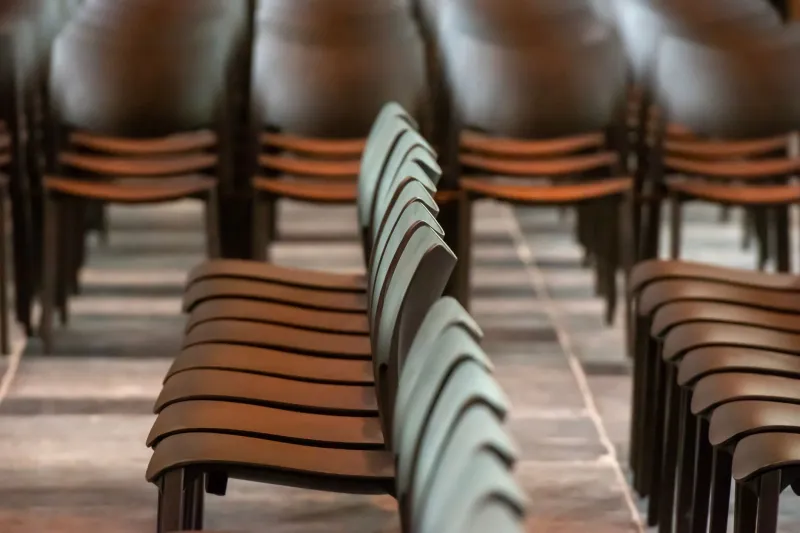
Every November, clubs across the UK hold an AGM and discover the same thing: nobody is desperate to be treasurer. This is a warm, wry look at the unglamorous committee roles that keep small groups going — and the gentle tricks that persuade someone to take one on for a year.