The Second First Night: Making Room for Club Returners
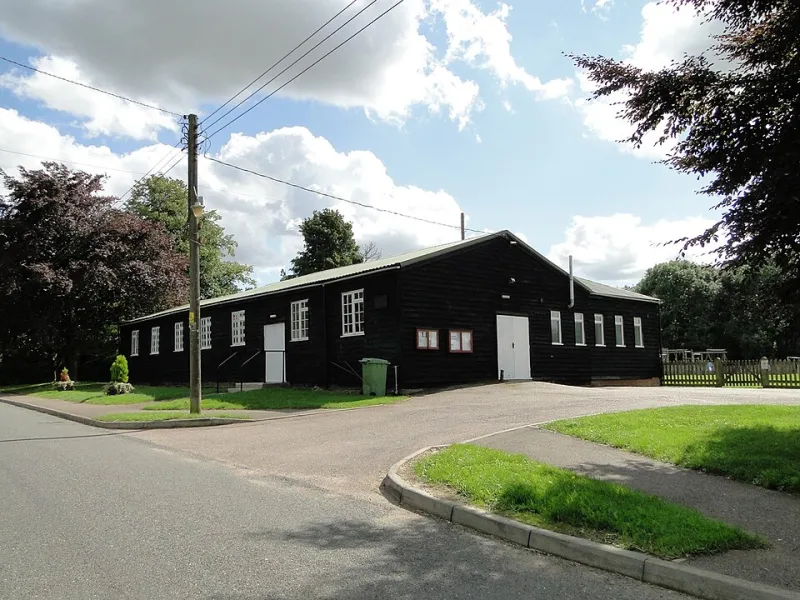
Photo: Adrian S Pye , CC BY-SA 2.0, via Wikimedia Commons
In a draughty village hall somewhere in the Midlands, a woman pauses at the door with her coat still buttoned. She was a member two years ago. Life got busy, then complicated, then quiet. The sign-in sheet still has her old name on it. Someone looks up and says, “Oh, you’re back!” and the whole room turns. That is the moment a club either keeps a returner or loses her for good.
We spend a lot of time talking about first nights: the nervous newcomer, the welcome pack, the buddy system, the biscuit budget. All of that matters. But there is another arrival that gets far less attention — the second first night. The member who drifted away and has finally found a Thursday evening free. They are not a blank sheet. They are not a stranger. They are a returner, and they need a different kind of welcome.
The returner is not a newbie
A returner already knows where the kettle is. They remember the committee, the awkward AGM, the drama about the car park. They do not need the full induction speech. What they need is permission to be out of date without feeling embarrassed about it.
That means skipping the doorstep quiz. “Where have you been?” sounds friendly in your head and like an interrogation at the door. “We kept your seat” is better. “Good to see you” is better still. If they want to explain, they will. If they do not, let the kettle do the talking.
Most people drift away for unremarkable reasons: a change of shift, a new baby, a parent who needed care, a winter of chest infections, a move across town that made the bus route awkward. None of that needs unpacking in the corridor. A simple “we’re glad you’re here” covers a lot of ground.
Give them a name, not a form
One of the simplest things a club can do is appoint a named buddy for the first night back. Not a mentor, not a welfare officer, just a person who will sit with them, explain what has changed and make sure they are not standing alone by the noticeboard.
The buddy does not need training. They need a brief: “Jean is coming back tonight. She used to do the raffle. Sit with her, tell her about the new start time, and introduce her to two people she won’t remember.” That is it. The returner gets a friendly face. The club gets a member who is not quietly wondering whether they should have stayed at home.
A named buddy also stops the well-meaning crowd at the door. You know the scene: one returner, five people asking questions, and a coat that never gets taken off. One person is a welcome. Five people is a reception committee.
The what’s-changed note
Returners often worry about the small stuff. Has the subs gone up? Is the WhatsApp group still running? Did the start time move? Is the car park still free after seven? A one-page note — on paper or in a message — can answer all of that before they walk in.
Keep it short. “Here is what is different, here is what is the same, and here is who to ask if you need anything.” No minutes. No backlog. No list of everything they missed. The aim is confidence, not a reading list.
A simple note might say: we now start at 7.15pm, not 7.30pm; the tea rota is on the noticeboard; subs are still £2; the Christmas meal is already booked. That is enough. It tells the returner the club has not become a different organisation while they were away.
The lift home matters
It is easy to forget how much the journey home shapes a club night. In November, the dark comes early and the last bus is not a theoretical concern. A returner who is worried about getting home is a returner who will leave early — or not come at all.
So make the offer specific. “We can give you a lift home” is good. “I’m going past your road, I’ll drop you back” is better. If the club has a lift rota, add the returner to the list for the first few weeks. If it does not, ask someone to do it once. One lift is often all it takes to turn a tentative return into a regular Thursday.
The same goes for the way in. If someone is anxious about walking into a hall alone, meet them at the door. It sounds small. It is not small.
Keep a cup for them
The returner’s cup is not a trophy. It is a small, practical sign that the club remembers people. Some clubs keep a spare mug with a name on it. Some keep a list of members who are “on a break” rather than “gone”. Some simply make sure the person who drifted away gets a message when the new programme comes out.
None of this is expensive. It is a habit of mind. Clubs grow not just by adding names to the list, but by making the second arrival easier than the first. The first arrival is about curiosity. The second is about belonging.
The second arrival is the real test
A club that welcomes newcomers well is doing something right. A club that welcomes returners well is doing something deeper: it is saying that people can come and go, that life happens, and that the door is still open. That is the kind of reputation that travels around a neighbourhood.
So next time the sign-in sheet has an old name on it, do not make a fuss. Put the kettle on. Save a seat. Offer the lift. The returner’s cup is already in the cupboard.