Wobbly Tripods and Real Faces: The Trust Signal Hiding in a Clumsy Club Photo
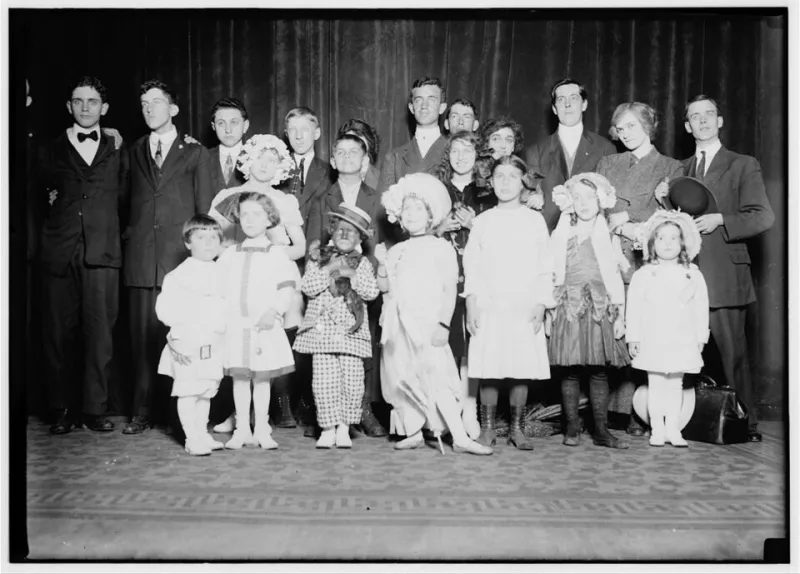
Photo: Hine, Lewis Wickes; National Child Labor Committee Collection, Public domain, via Wikimedia Commons
There is a particular kind of photograph that turns up on UK club websites. Seven people stand in a line against a village hall curtain. One is blinking. Another is half out of frame. The chair is holding a clipboard like it might float away. It is not going on a billboard, and that is exactly why it is reassuring.
At Neighbourhood Life we spend a lot of time looking at how local groups present themselves online. The polished pages are nice. The ones that make us want to turn up on a Tuesday night are usually the ones with a slightly rubbish photo of actual humans.
The polish problem
In 2026, every club is told to have a brand. There are free templates, phone filters and clever tools that will brighten a hall until it looks like a conference centre. None of that is bad. A clear website helps people find you, and a decent photo shows you have made an effort.
But when every page looks like a start-up launch, neighbours start to wonder what is underneath. A stock photo of smiling strangers clinking mugs tells you nothing about whether the Wednesday meet-up is friendly, whether the room is warm, or whether anyone will say hello when you walk in. A stiff committee photo tells you there are real people behind the group, and they are willing to be seen.
What a rubbish photo reveals
Look closely at a bad club photo and you can learn quite a lot. The treasurer is half out of shot because she came straight from work. The secretary is holding the raffle tin. The chair has his eyes closed. Someone has brought a flask. These are not failures of branding. They are evidence of a club made of volunteers with bus timetables, bad knees and full lives.
That matters for newcomers. A perfect image can feel like a closed door. A candid one says: we are ordinary, we are here, and there is probably a spare chair. The blurry hall snapshot also shows the actual room, which is more useful than a generic photo of a sunny cafe. You can see the stackable chairs, the noticeboard, the tea urn and the slightly awkward corner where the loop system is plugged in. For someone who has never been before, that is practical information disguised as an imperfect picture.
Consent first, camera second
None of this means snapping away without asking. Real photos come with real responsibilities. Clubs handle personal data carefully, and a camera should not change that. The rules around photographs and consent are not there to kill the mood; they are there to make sure everyone can take part without worrying about where their face will end up.
A simple routine works better than a lengthy policy nobody reads. Tell people before the meeting that a group photo will be taken. Explain where it will go, such as the club website or a private WhatsApp group, and how long it will stay up. Give people an easy way to say no, without having to explain why. If children or adults at risk are likely to be in the frame, follow the club’s safeguarding policy and get the right consent from parents or carers.
It also helps to offer alternatives. Someone who does not want their face online can still be in the room, still be part of the group, and still be useful. They might hold the camera, make the tea or stand just outside the frame. Inclusion is not about forcing everyone into the same picture. It is about making sure nobody has to miss the meeting to avoid the photo.
The stock-photo trust gap
Stock images are not the enemy. They can fill a gap while a club gets going. But a page full of generic smiling people in matching jumpers can make a local group look like a franchise. Neighbours want to recognise the club, not just admire its design.
A real photo does something stock cannot. It shows the actual hall, the actual noticeboard and the actual people who will be there. It helps a new person spot the door they need to walk through. It shows that the group has a committee, and that the committee is not a secret society. It also makes the club look less like a product and more like a place where you could belong.
There is a balance to strike. Do not tag people without permission. Do not leave old photos up for years if the group has changed. Do not use a picture of a child’s face on a public page without proper consent. And do not caption a group of volunteers as a dream team if they would rather be described as the committee. Plain, accurate captions build more trust than clever ones.
How to take a better bad photo
You do not need a photographer. You need a phone, a bit of daylight and about three minutes. Stand near the door where the light comes in. Take three frames rather than one. Ask people to look at the camera, then take another when they have stopped posing. A photo of hands around a kettle, a clipboard on a table or someone pinning a notice to the board can work just as well as a line-up.
The best club photo is not the most flattering one. It is the one that looks like the club actually is. If the hall is chilly, let the hall be chilly. If the committee is seven people and a flask, show seven people and a flask. Newcomers are not looking for perfection. They are looking for a sign that the group is real, open and run by people who will probably say hello.
The committee photograph test
So next time you are updating your club’s website, do not rush to replace the wobbly committee photo with something glossier. Check that everyone in it is happy for it to be there. Make sure the caption is clear. Then leave it up. A slightly awkward picture of real volunteers is one of the best trust signals a local group can have. It says the club is made of neighbours, not marketing. And in a neighbourhood, that is the whole point.