Before the Biscuits: The Ten-Minute Test That Decides If a Newcomer Stays
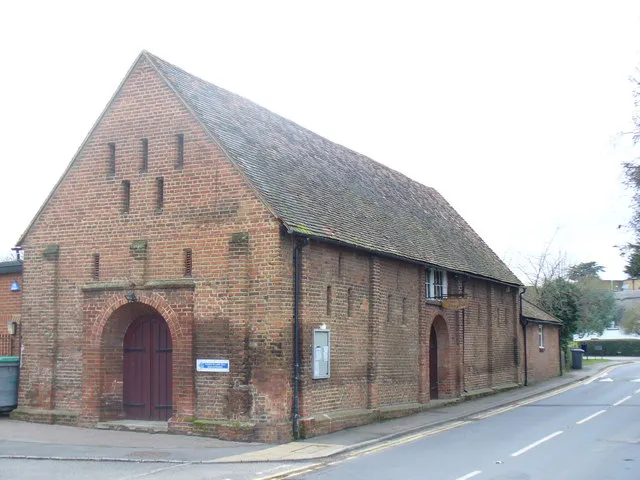
Photo: Colin Smith, CC BY-SA 2.0, via Wikimedia Commons
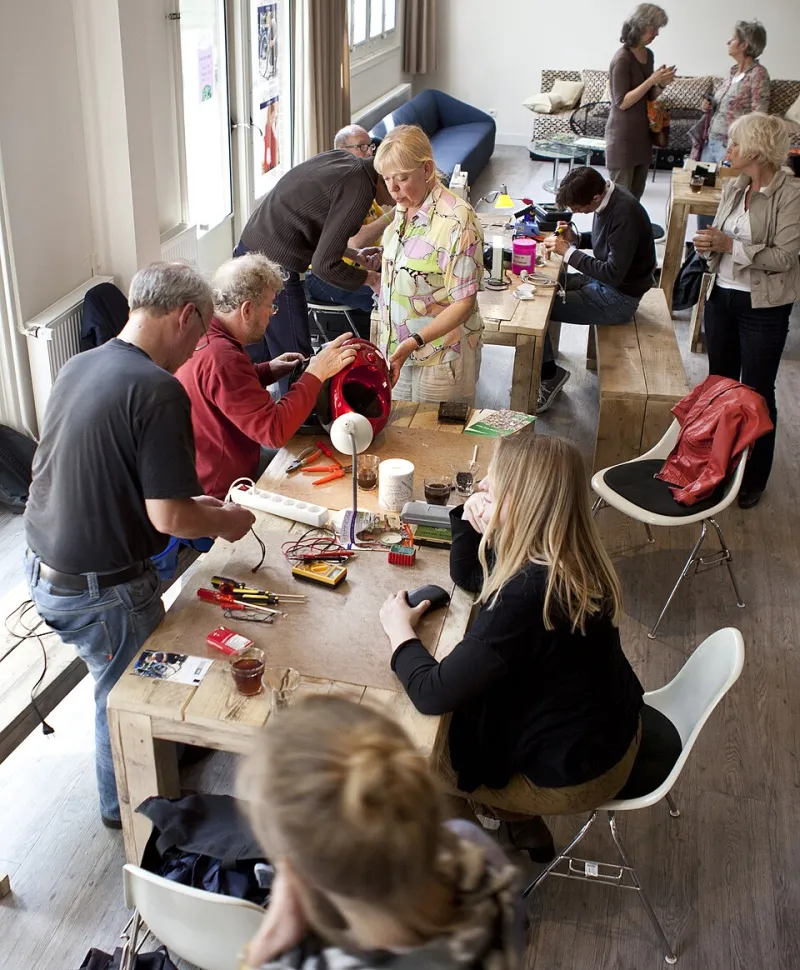
You can learn almost everything about a club in the first ten minutes. Not from the constitution. Not from the treasurer’s spreadsheet. Not even from the quality of the biscuits. From the moment a newcomer pushes open the door and works out whether the room is pleased to see them.
This is not about being slick. It is not about laminated posters and a “customer journey”. It is about the small signals that say: we were expecting you, we have a place for you, and you do not have to perform to belong here. Get those ten minutes right and the rest of the evening can be ordinary. Get them wrong and the visitor will be gone before the tea urn has cooled.
The door is the first committee member
Every club has a front door, and most of them are guarded by accident. A huddle of regulars by the entrance. A table with a sign-in sheet and nobody behind it. A corridor with three unmarked doors and a faint sound of scraping chairs. The newcomer stands there doing mental arithmetic: is this the right room? Am I early? Is that person saving seats?
A greeter fixes almost all of this. Not a bouncer. Not a membership salesperson. A host. One person, standing near the door, whose only job for the first twenty minutes is to notice people who look uncertain and say hello.
The greeting does not need to be effusive. “You must be new — I’m Alan, I’m on the tea rota. Coat hooks are behind you, we sit anywhere, and there’s a sign-in sheet if you don’t mind.” That is a complete welcome. It answers the three questions every newcomer has: where do I put my things, where do I sit, and am I in the right place?
Signage: if you need a satnav, you have lost
Clubs love a noticeboard. They are less keen on signs that actually help. A visitor does not need the full history of the building. They need to know which door to use, where the loo is, and whether the meeting is upstairs.
A good sign is boring. “Thursday Club — Main Hall — Tea in the kitchen.” That is enough. Put it at eye level. Put it on the door. Put an arrow on it. If your hall has a confusing corridor, put a second sign at the end of it. If the kettle is in a different room, say so. The regulars know where everything is. The newcomer does not.
The same goes for the sign-in sheet. If it is a membership form in disguise, say so. If it is just for fire safety, say that too. “Sign in so we know who’s in the building — no commitment, no sales pitch” removes a surprising amount of anxiety.
The tea queue is a social escalator
You can tell a lot about a club from its tea queue. Is there one? Is it clear where the cups are? Does someone hand you a mug, or do you stand awkwardly while three people discuss the urn? Is there a choice beyond “tea or coffee”, and is there a biscuit tin that is open rather than guarded?
The tea queue is the easiest place for a new person to start a conversation, because it gives them a script. “Is this the queue?” is a perfectly good opening line. “Which biscuit is the good one?” is even better. But it only works if the queue is welcoming rather than a private club within a club.
A simple fix: put a named person on tea for the first half hour and ask them to introduce themselves to anyone they do not recognise. Not to interrogate them. Just to say, “I’m on tea — milk, sugar, and the chocolate ones are usually gone by eight.” That is a small act of hosting. It costs nothing and it changes the temperature of the room.
Name badges: first names, big letters, no job titles
There is a particular kind of club where everyone knows everyone and nobody wears a badge. That is fine for the regulars. It is useless for the newcomer who has spent the first ten minutes trying to work out whether the man in the fleece is the chair or the caretaker.
Name badges should be dull and practical: first name only, large enough to read from across the room, no “Mr”, no “Dr”, no job title. The point is not status. The point is to let people talk to each other without a memory test.
If your club thinks badges are naff, try them for two meetings and see what happens. The regulars will grumble. Then they will start using them to greet people they have known for fifteen years but whose names have escaped them. That is not a failure. That is a feature.
The closed circle problem
Here is the uncomfortable bit. A room can be friendly and still be closed. You can have a lovely committee, a warm atmosphere and a genuinely kind membership — and a newcomer can still spend the whole evening on the edge of a circle that did not mean to exclude them.
The signs are subtle. The conversation stops when they approach. The in-jokes fly past. Someone says, “You had to be there.” The group photo from the summer outing is passed around. The chair asks if there is any other business, and nobody asks the visitor if they have anything to say.
This is not usually rudeness. It is habit. Regulars forget what it feels like to be new. The fix is not to turn the club into a corporate icebreaker session. It is to build in small, low-effort habits:
- A buddy for the first two meetings. Not a mentor. Just someone who sits with them and makes sure they know where the tea is.
- A ten-minute rule on in-jokes. If a reference needs a backstory, save it for later. Newcomers should not have to do homework.
- One open question at the start. The chair can ask, “Anyone new tonight? Tell us your name and why you’ve come.” Keep it optional. Keep it short. Then move on.
- A proper goodbye. It sounds trivial, but saying “thanks for coming — same time next week?” as someone leaves is the difference between a visit and an invitation.
Three fixes for your next meeting
You do not need a welcome strategy. You need three small changes that any group can make this week.
- Put a greeter on the door. One person, twenty minutes, no clipboard. Their job is to say hello and answer the three questions: where do I put my coat, where do I sit, and is this the right room?
- Make the tea queue obvious. Sign the kitchen. Put out mugs. Have someone on tea who introduces themselves. Open the biscuit tin.
- Use first-name badges. Big letters. No titles. Wear them yourself, even if you have been a member since 1987.
The first ten minutes are not the whole club. They are not the speaker, the raffle or the committee. But they are the bit that decides whether the newcomer ever finds out what the club is really like. Make those ten minutes welcoming, and the rest has a chance. Make them chilly, and the best meeting in the world will not matter — because nobody will be there to see it.