Pinned and Proud: Why the Village Hall Cork Board Still Beats the Algorithm
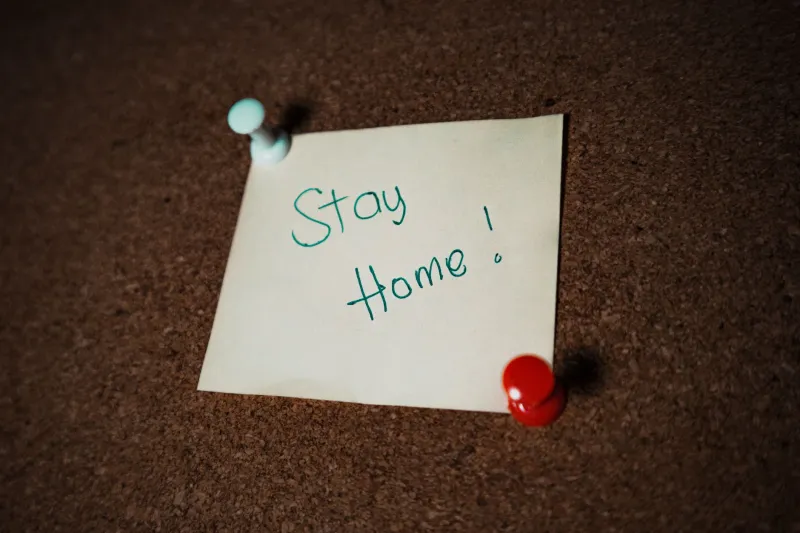
Walk into almost any village hall in Britain and you will meet the same three things: the smell of floor polish, a tea urn ticking quietly to itself, and a cork board by the door.
That board is easy to ignore. It is also, quietly, one of the most effective social networks in the country. No login. No algorithm. No engagement metrics. Just a rectangle of cork, a box of drawing pins and somebody willing to take down the notices that went out of date three weeks ago.
The anatomy of a board that works
Spend a month really looking at noticeboards and a pattern appears. The good ones share a handful of habits.
They sit at eye level, usually just inside the main door or beside the hatch where people queue for tea. They are layered rather than tidy — a quiz night next to a lost cat next to a volunteer rota — because that mess is the point. They are refreshed often enough that regulars trust them. And they almost always have one person behind them: a caretaker, a parish clerk, a hall committee member who quietly bins the faded stuff every Friday.
The bad ones are museums of good intentions. A yoga class from 2019. A phone number with a digit missing. A flyer so heavily designed that the actual date is buried in a swirl of clip art.
What cork does that a feed cannot
A pinboard is serendipitous in a way that scrolling is not. You do not have to know what you are looking for. You walk past on the way to a jumble sale and come out having signed up for a choir.
It is also low-stakes. Nobody has to create an account, reveal their name or post in front of an audience. For older residents, for people new to the area, for anyone who finds online groups a bit performative, a piece of paper with a time and a phone number is a gentler invitation than a Facebook group with 400 members and an argument in the comments.
And it is geographically honest. The board in the porch of the Methodist hall is about things happening within walking distance. That is a very different promise from a listing that could be anywhere in the county.
Pair the pins with the pixels
None of this is an argument against digital listings. It is an argument for using both. An online event listing does the reach: the search, the share, the reminder in someone's calendar. The board does the trust: the handwriting, the local proof that this is a real thing happening in a real room with real chairs.
The practical version is simple. List your event online once, properly, with a title, a date, a time, a price and a way to ask questions. Then print the same details clearly and pin them where your actual neighbours walk. If you add a QR code, add the plain text as well. A code on its own is a locked door for anyone whose phone is in a coat pocket at the back of the hall.
Getting noticed on a shoestring
A few lessons from the people who maintain boards, often unpaid and always under-appreciated:
- A5, not A4. Big sheets get folded, torn, or quietly slide behind everything else.
- One headline, readable from three paces. If the biggest word on your flyer is your logo, start again.
- Always include the day of the week. Thursday is friendlier than a number.
- Say what it costs. Free is a headline. So is four pounds including tea.
- Give one way to get in touch, not four. Then check the number actually works.
- Tear-off tabs still work for anything free or drop-in.
- Refresh, do not just add. Replacing your own flyer every fortnight keeps it near the front and signals that the group is alive.
- Ask the caretaker where the busy boards are. There are usually two or three per village, plus the post office window, the surgery corridor and the supermarket foyer.
- Photograph the room in use, not the empty room. A blurry picture of actual people laughing beats stock photography every time.
- Write the words newcomers are looking for. Newcomers welcome. No experience needed. Come on your own, we will look after you.
The quiet volunteer behind the pins
Every functioning board has a curator, and they are almost always invisible. They clear away the expired notices, straighten the pins, and notice that the Thursday club has not put anything up in two months and mention it to someone at the shop.
If you run a group, be kind to that person. Bring your own pins. Take down your own old posters. Do not assume they will do your admin for you.
The board is a conversation
There is something pleasingly stubborn about the noticeboard in 2026, in an age when a local group can vanish from view simply because an algorithm decided it was not interesting enough this week. Cork has no opinions about your reach. It will show whatever a neighbour pins to it, to whoever walks past.
So the next time you are in a hall for a birthday party, a polling station or a Christmas fair, stop by the door for thirty seconds. You might find a choir, a repair café, a running group or a lost cat called Dennis. Either way, someone nearby is trying to say hello.