Two Sugars and a Way In: Why the Club Tea Table Beats the Welcome Speech
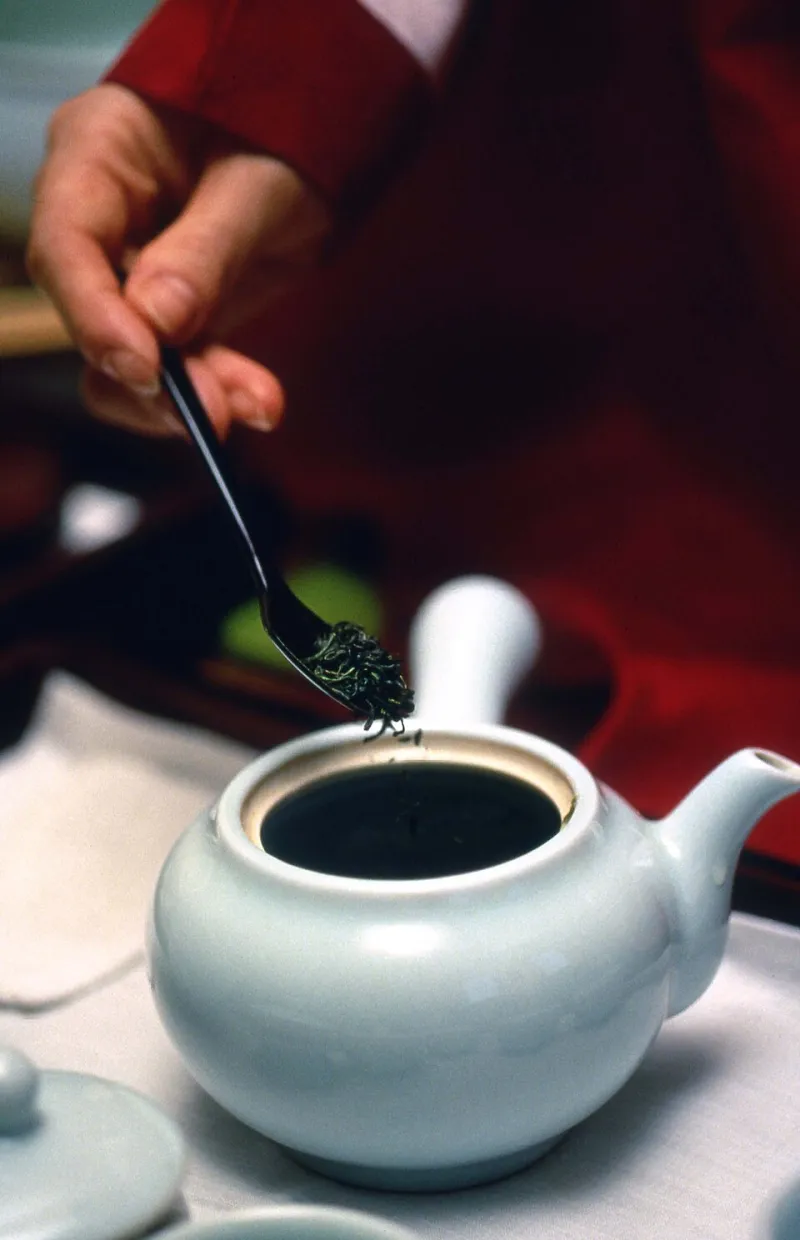
Photo: Korea.net / Korean Culture and Information Service, CC BY-SA 2.0, via Wikimedia Commons
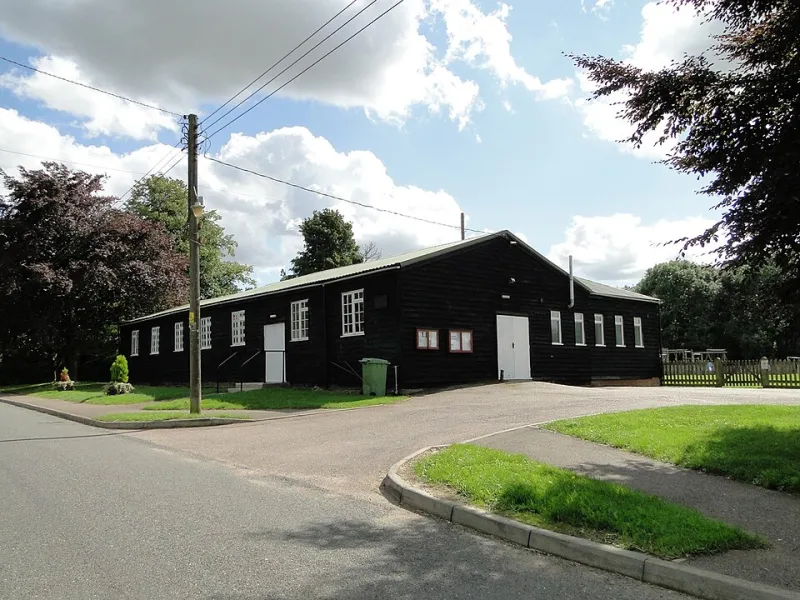
Walk into almost any UK club night ten minutes early and you will find the real front desk: a trestle table, a tea urn that sounds like a small aircraft, and somebody counting mugs. The chairs are still stacked. The speaker is hunting for a lead. The room is not quite a room yet. And there, in the middle of it, is tea duty.
It has a reputation problem. Ask for volunteers and watch eyes slide towards the floor. Tea duty sounds like the job you give to someone who cannot be trusted with the raffle. But in village halls, community centres, scout huts and church rooms across the country, it is often the most useful doorway we have — especially for the person who has been circling the noticeboard for three weeks and still has not made it past the door.
The job with a beginning and an end
Most club roles are vague. Help with events. Join the committee. Keep an eye on things. Lovely sentiments, terrible instructions. Tea duty is different. It has edges. You arrive at half six, fill the urn, put out the mugs, check the milk, and by seven you are done with the hard part. Nobody expects you to chair the meeting. Nobody asks you to have an opinion on the constitution. You have a task, a time limit and a legitimate reason to be standing near somebody without having to start a conversation from cold.
That is the quiet magic of it. For a newcomer, the main room can feel like a school disco with better biscuits. Tea duty gives you a place to be. You are not hovering by the door pretending to read the fire notice. You are useful. Usefulness is a brilliant social lubricant, and it does not require you to be the loudest person in the hall.
Why it works for the quietly nervous
A welcome speech asks people to look at you. A tea rota asks people to look at the mugs. That is a much easier starting point.
There is also the sugar question. “Who takes sugar?” is not small talk in the empty sense. It is practical, low stakes and repeatable. By the time you have asked six people, you have spoken to six people. By the time you have handed out the custard creams, somebody has asked your name. It is a conversation that arrives sideways, which is often how the best ones do.
For clubs, this matters. The person who volunteers for tea duty is not necessarily signing up for a decade of committee service. They are testing the water. If the water is warm — and ideally in a mug — they may come back. If the role feels like a test, they will disappear before the first dunk.
The rota problem: do not turn the kettle into a probation
Too many tea rotas are written like an exam. Names are assigned weeks in advance. There is a laminated sheet, a highlighter and a faint air of punishment. Newcomers get added to the bottom of the list before they have learned where the teabags live. It is meant to be helpful. It feels like being drafted.
For 2026, the useful shift is simple: treat the tea rota as an invitation, not a duty roster. Offer a paired shift. Let a new person shadow someone for one night with no commitment beyond that. Write “helping out” rather than “responsible for.” And make it clear that stepping back is allowed. A club that lets people try a small role without signing their life away is a club that gets more volunteers, not fewer.
Write the rota like a welcome
Practical bits first. Keep the tea station easy to find. Label the decaf. Have a milk alternative that is not an afterthought. Put a small sign by the kettle listing where cups, sugar, spoons and biscuits live, because nobody wants to open four cupboards while a queue forms behind them.
Then think about the human bits. A good tea rota names a buddy for the first shift. It says how long the job lasts. It tells people they can leave the washing-up for the next volunteer if they need to catch the last bus. It does not make anyone feel they have failed the club if they only do one night.
It also helps to ask openly. “We are looking for someone to help with tea next week — no experience needed, just a willingness to boil a kettle,” is a lot more inviting than a general plea for volunteers. Specific asks get specific yeses. Vague asks get a room full of people suddenly fascinated by the floor tiles.
The bit nobody mentions: tea duty needs a deputy
One person should not be the permanent tea person. That is how a kind volunteer becomes a resentful one. Have a deputy. Have a backup keyholder who knows where the teabags are. Have a rota that rotates, even if it rotates slowly. The aim is not to find the perfect tea volunteer and keep them forever. The aim is to make the role normal, shared and easy to step into.
And if someone does it well, say so. Not in a grand way. A simple “thanks for sorting the brews” as the meeting starts goes a long way. Tea duty is invisible labour until it is not done. A club that notices it is a club that keeps people.
The gateway is not the glamour
Tea duty will never be on the poster. It is not the speaker, the quizmaster or the person with the microphone. It is the mug, the milk and the small act of asking who takes sugar. But that is precisely why it works. It gives a newcomer a role without a spotlight, a reason to arrive early and a way to be part of the room before the room has fully formed.
So next time your club needs a volunteer, do not overlook the kettle. It is not the least glamorous job in the building. It is one of the most important doors.