Beyond the Front Gate: A 20-Minute Audit of Your Street’s Social Life
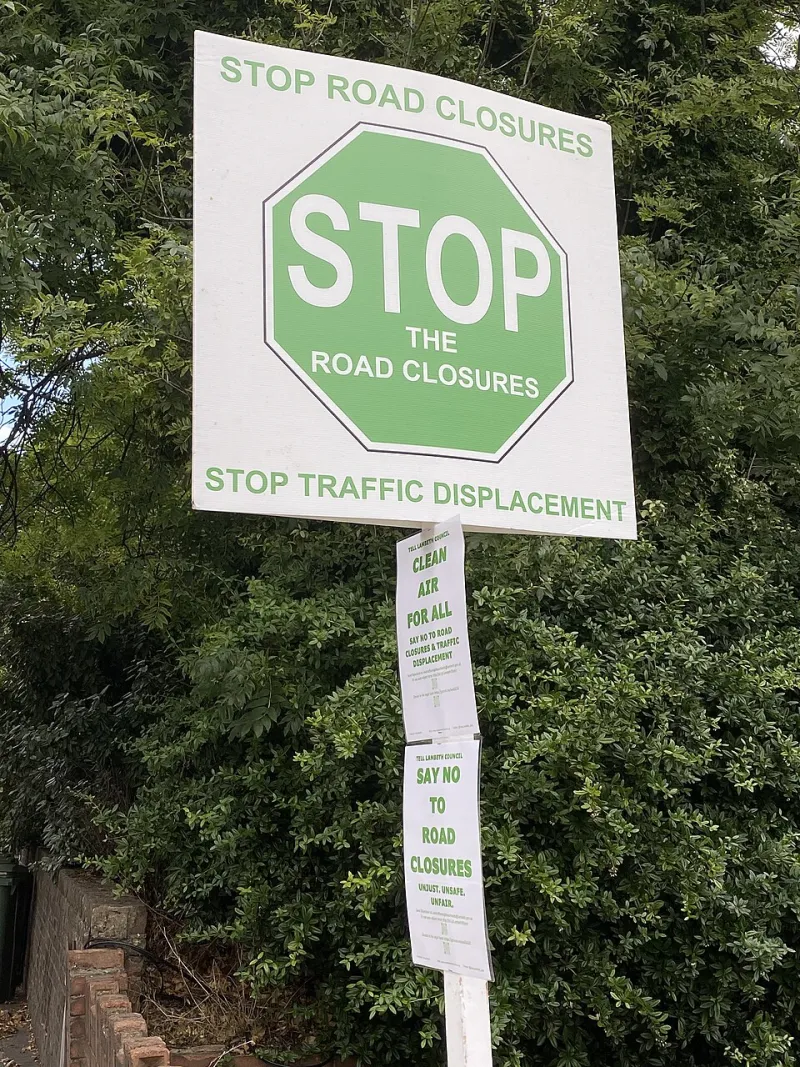
Photo: Secretlondon, CC BY-SA 4.0, via Wikimedia Commons
Here is a simple test for a dark November evening in 2026. Put the kettle on. While it boils, ask yourself what you could reach from your front door in 20 minutes — on foot, or on a bus that actually turns up. Not what is advertised on a billboard. Not what is a 35-minute drive away. What is close enough to become a habit.
The test: front door to first cup
Choose a dry afternoon. Take a notebook or your phone, set a timer for 20 minutes, and walk. Go one direction for ten minutes and back, or follow a bus route for ten minutes of journey time plus the wait. Note what you pass: halls, libraries, parks, cafés, pubs, churches, schools, leisure centres, noticeboards. Say hello to anyone who looks like they are not in a hurry. The point is not to judge your area. It is to see it as a map of possible Tuesdays.
What counts as reachable?
Twenty minutes on foot is roughly a mile, depending on hills, buggies and knees. A bus can take you further, but only if it is frequent enough that you will risk missing one. The real question is not distance. It is friction. If getting there involves two buses, a long wait in the rain, a flight of steps and a £12 entry fee, it will not become a habit. If it is a ten-minute walk to a hall with a weekly drop-in and a lift, it might. Think about the dark, the pavement, the lighting, the loo, and whether you would do it alone.
Three neighbours, three maps
When I tried this on my own street, the first surprise was the library. It was 12 minutes away, and I had been driving past it for years. A neighbour I spoke to found a choir in the church hall she had never been inside. Another realised the pub at the end of the road runs a knit-and-natter on Sundays. None of these things were secret. They were just quiet. That is the trap: we wait for a big poster or a perfect invitation, when the useful stuff is already on a noticeboard we do not read.
Filling the gaps
If your map is thin, do not start by booking a marquee. Start with one room and one reason to knock. Ask the library if you can host a book swap. Ask the pub if a quiet Monday quiz would work. Ask the church hall about a winter coffee morning. Put a note in the shop window. Use the local Facebook group and the parish newsletter, and tell people whether they can just turn up. If transport is the gap, ask about community transport, a lift-share board, or moving the event to a bus route. A small thing that happens every month beats a big thing that happens once.
Your 20-minute checklist
Copy this into your phone and fill it in on your walk:
- A club or social group you could join without booking
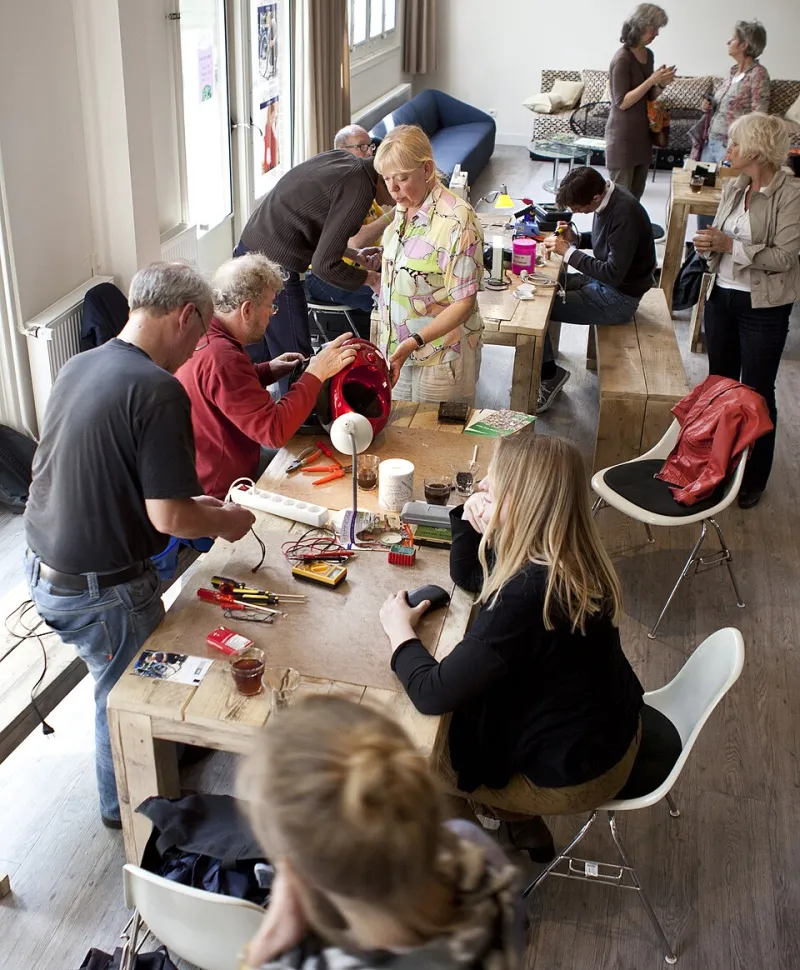
- A hall or community centre with a public programme
- A library with a noticeboard and events
- A park or green with a bench and a path
- A café or pub that hosts a quiz, knit night or coffee morning
- A bus stop with a service you would actually use after dark
- A place to put up a notice
- One neighbour to go with the first time
- One gap you could help fill
The point is not a grade
Some streets will score well. Some will not. A 20-minute map is not an inspection report, and a missing club is not a personal failure. It is a starting point. If you find one thing within reach that you could do twice this month, you have passed. And if you find a gap — no café, no hall, no bus after 6pm — that is useful information for the people who run the place. Tell them. Tell us, too. We are collecting neighbourhood maps and the small fixes that make them better.