Silence Is Not a Problem: The Club Night Layout That Lets People Arrive Slowly
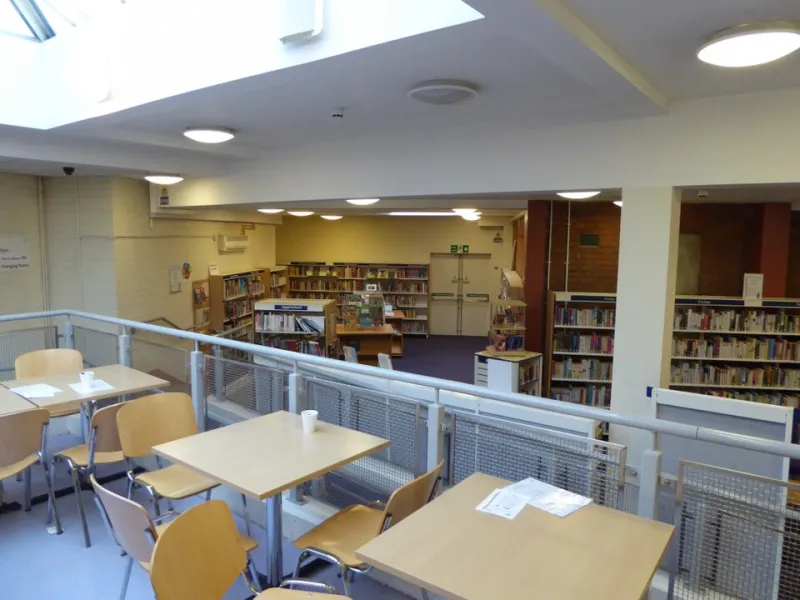
Photo: Libraries Taskforce, CC BY 2.0, via Wikimedia Commons
There’s a moment at many club nights when the room divides. On one side, the circle of people who already know each other, trading jokes and topping up mugs. On the other, someone standing near the door with a coat still on, working out whether to stay. It’s not that the club is unfriendly. It’s that the evening has been arranged for the people who find it easy.
Icebreakers are usually well meant. A name game, a “tell us something interesting”, a forced round of introductions. For some members, that’s a warm-up. For others — the shy, the neurodivergent, the person who came alone after a long week — it’s a hurdle that arrives before the tea has even been poured. And when the hurdle is high enough, people don’t complain. They just don’t come back.
The problem with forcing the ice
An icebreaker asks everyone to perform confidence at the same moment. It rewards speed, volume and quick wit. It doesn’t leave much room for the person who needs a minute to settle, or who would rather listen first. In a village hall with forty chairs and an urn, that can feel like a test.
The fix isn’t to ban introductions or turn the club into a silent retreat. It’s to offer a different way in.
A table with no agenda
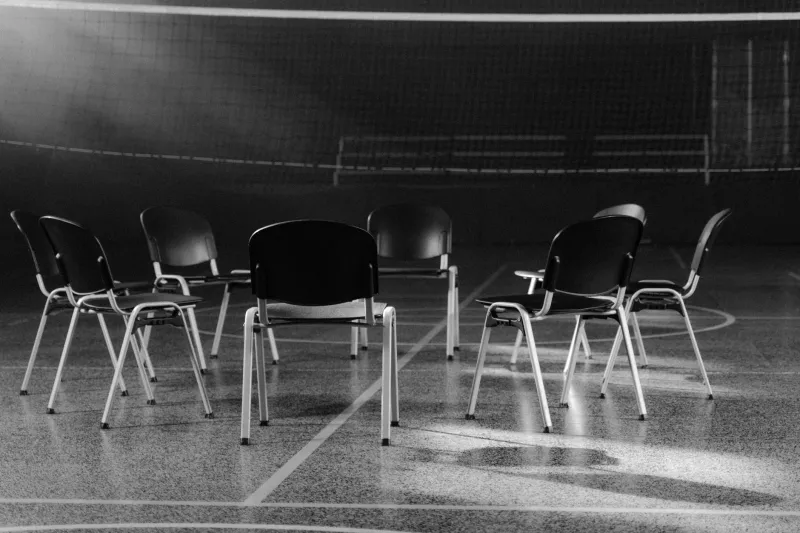
Picture a Thursday evening club in a community café — the kind of place with mismatched chairs and a noticeboard by the loo. The main room has the usual arrangement: a long table, a circle of chairs, the tea station at one end. Off to the side, near the window but not cut off, there’s a smaller table. On it: a jug of water, a few biscuits, a small sign that says “Quiet Corner — no need to talk”.
That’s it. No clipboard, no facilitator, no round of “share your feelings”. The table is simply an option. People who want the buzz of the main group can have it. People who want to sit with a mug and watch for a while can do that too.
The sign matters less than the placement. A quiet table works best when it’s visible but not in the path to the kettle. It shouldn’t be in a corridor or a back room, which can feel like being sent away. Near a window is good. Near a plant is better. Somewhere a person can see the room and be seen, without being asked to join it.
The host who doesn’t hover
The other half of the quiet corner is the person who looks after it. Not a counsellor, not a welcomer with a lanyard and a script. Just a host who knows the club well enough to notice someone arriving alone, and who can say “There’s a quiet table by the window if you’d like it” without following them to it.
That last part is important. Hovering turns a quiet corner into a spotlight. A good host makes the offer and then gets on with their own evening — topping up the urn, moving a chair, chatting to someone else.
What it isn’t
This isn’t a support group. It isn’t a separate room for people who “can’t cope”. It’s a layout choice, like putting the sign-in sheet by the door instead of at the front. The quiet table is open to anyone: the member who’s been coming for years and just wants a low-key night, the newcomer who needs ten minutes before saying hello, the person who came with a friend and wants to sit out the quiz.
It also helps with the sensory side of club nights. Fluorescent lights, a echoing hall and background music can wear people down before the first biscuit is passed round. A quieter spot doesn’t mean turning the music off for everyone. It just gives people a choice about where to sit while they settle.
At the community café club, the change was small. They moved a table, printed a sign, and asked one host to keep an eye on it. The committee didn’t announce a new policy. They didn’t do a survey. They just watched what happened. A few people who had drifted away started coming back. One member said it was the first time they’d stayed for the whole evening in months.
A small change worth trying
If your club is thinking about it, start with one night. Put a table slightly apart from the main group. Add a sign that makes the offer clear. Ask a host to be around but not on top of people. Then leave it alone.
You don’t need a budget line for it. You don’t need a training course. You just need to accept that not everyone arrives ready to perform, and that a club night can be better when it doesn’t ask them to.
The quiet corner isn’t a retreat from the club. It’s part of the evening — a place where things can start slowly, and where the door stays open.