The Room Speaks First: A Seating Audit for Club Nights
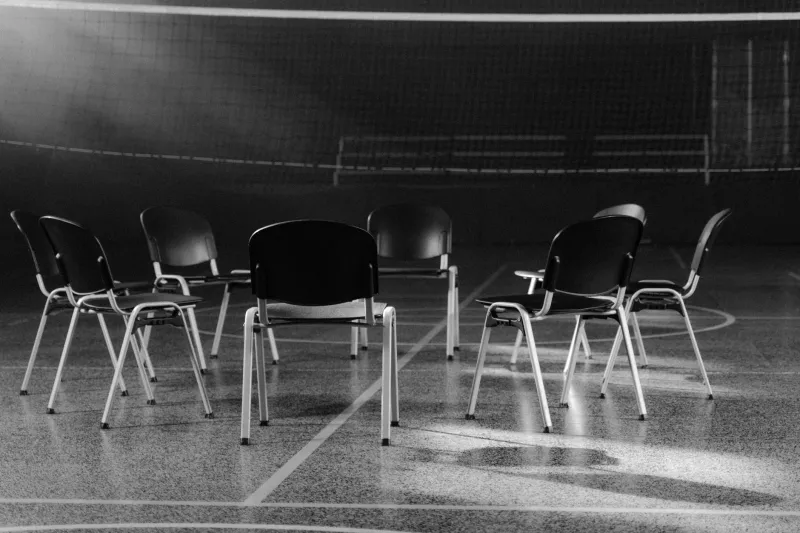
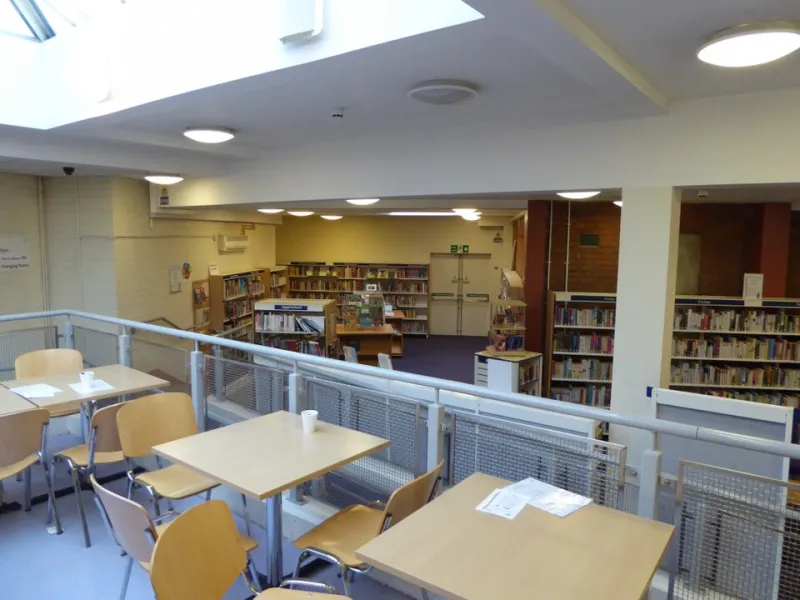
Walk into a village hall on a wet November evening and the chairs tell you a story before anyone says hello. Are they stacked against the wall in a guilty heap? Set in neat rows facing a committee table? Arranged in a circle with one awkward gap? None of this is neutral. Seating is the quiet architecture of belonging, and most clubs spend far more time thinking about the tea rota than the layout of the room.
That is a shame, because the arrangement of a few dozen stacking chairs can decide who speaks, who feels included and who quietly drifts away after a month or two. The good news is that it is one of the cheapest things a club can change. No grant application required. Just a bit of thought before the doors open.
The first five minutes are architectural
Most newcomers make their judgement before the first announcement. They are reading the room: where do I put my coat, where do I sit, is there a gap for me, can I get out if I need to? If the only obvious seat is at the back, behind a pillar, next to a stack of folding tables, the room is saying something. It may not be what the committee intended, but it is what the person hears.
A seating audit is not about making a hall look like a conference centre. It is about asking what the room invites people to do. Listen? Talk? Hide? Leave? A club night usually wants a mix of all three, and the chairs should make that mix easier rather than harder.
Rows are not the villain
Let us be fair to rows. For a talk, a film night, an AGM or a demonstration, rows make sense. They give everyone a sightline and a clear sense of where to look. The trouble starts when rows become the default for every meeting, including the ones that are meant to be social. Rows create a front and a back, a stage and an audience. If the real aim is a natter over biscuits, that layout is working against you.
A simple test: what do you want people to do in the first twenty minutes? If the answer is listen, keep the rows but leave generous aisles and do not cram every chair in. If the answer is talk, break the rows up. Even pushing two rows into a loose U-shape can change the mood without turning the evening into a group therapy session.
The circle is not magic either
Circles get a good press, and rightly so. They let people see one another and make it harder for one voice to dominate from a top table. But a circle is not automatically welcoming. A circle of eighteen in a chilly hall can feel like a spotlight. A circle with no gap for a wheelchair, a walking frame or a buggy is not inclusive; it is just round.
Smaller circles often work better than one giant ring. If numbers allow, two clusters of chairs with a clear route between them can feel less exposed and more conversational. Leave an empty chair or two rather than filling every space. It gives latecomers somewhere to land and tells the room that there is still room to join.
Leave a gap, not a gauntlet
Accessibility is not a box-ticking exercise at the back of the risk assessment. It is part of the welcome. Check that someone using a wheelchair can reach a seat without asking three people to stand up. Check that the route to the loo is not a slalom of handbags. Check that the fire exits are clear, obviously, but also check that the accessible seating is not shoved in a corner by the tea urn.
Good seating also considers hearing and sight. A person who lip-reads needs to see faces, not the back of someone’s head. Someone with anxiety may need to sit near the door. Someone with a bad hip may need a chair with arms. None of this needs a grand announcement. It just needs a bit of room and a committee willing to move a chair before the first person arrives.
The back row is a message
The back row is often treated as the naughty corner or the place where the shy people go. In reality, it is a mixed bag. Some people sit there because they are late. Some are carers who may need to slip out. Some are neurodivergent and find the edge of a room easier. Some are simply trying to work out whether this club is for them.
None of that is a problem in itself. The problem is when the back row becomes a holding pen with no welcome. If every newcomer is left to settle at the back and nobody says hello, the room has quietly told them they are on their own. A floating welcomer — not a bouncer, just a friendly person with half an eye on the door — can make a big difference. So can a host who sits near the back now and then rather than holding court at the front.
The chair by the door does two jobs
That chair nearest the entrance is doing more work than most committees realise. It is an escape route for anyone who needs one. It is also a welcome post for the first person to arrive and the last person to leave. Keep it clear of coats, bags and boxes of raffle prizes. If someone chooses it, do not assume they are about to bolt. They may simply be keeping an eye on the door, which is a useful thing for a club.
A small side table nearby can help, but it is not essential. What matters is that the chair by the door feels like part of the room, not a waiting area for the bus.
A ten-minute seating audit
Before the next club night, try this with one other committee member. Stand at the door and look in as if you have never been before. What do you see first? Can you tell where to sit? Is there a clear route to the tea table and the loos? Are there gaps for wheels, sticks and buggies? Does the layout match what you actually do that evening?
Then ask two regulars and, if possible, one newer member what would make the room easier to walk into. You do not need a consultant. You need eyes and a willingness to move furniture.
Small changes, not a grand plan
No club needs a new seating strategy. Try one change for a month: break the rows for a social evening, leave a gap in the circle, put a greeter near the door, or move the back row forward so it is not lurking behind the tea urn. Then watch. If people linger longer and newcomers come back, keep it. If it feels wrong, move the chairs again.
The room speaks first. Make sure it says something worth hearing.