When the 8:40 Leaves Without You: Club Nights That Fit the Last Bus
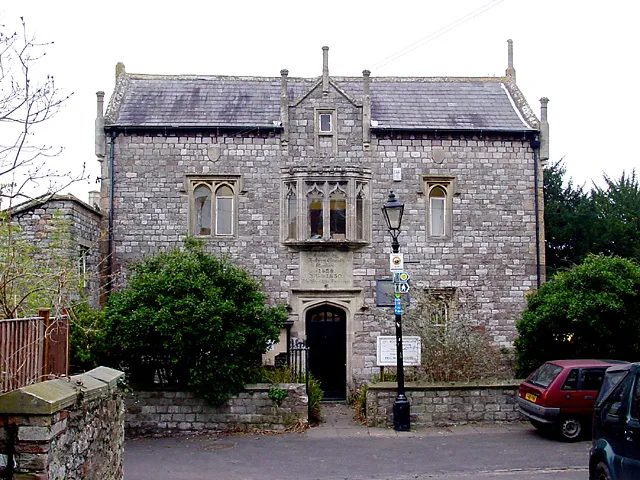
Photo: Linda Bailey, CC BY-SA 2.0, via Wikimedia Commons
On a wet Tuesday in November, the hall was warm, the kettle was on and the quiz sheets were ready. By 8:15, three people were already glancing at the clock. Not because the evening was dull, but because the last bus back to the next village left at 8:40. Miss it and the choice was a forty-minute walk along an unlit lane or a lift from someone they had only just met.
The timetable is part of the welcome
Clubs spend hours on posters, refreshments and the first-ten-minutes welcome. Transport often gets left to the end, if it gets mentioned at all. But a start time and a finish time are not neutral. They are a filter. A 7:30 start sounds friendly until you check the last bus. An 8:30 finish sounds reasonable until you remember that the 8:40 leaves from the top of the hill.
This is not a niche issue. In villages and market towns, evening services are thin. In 2026, many of us can order a takeaway to a remote lane but cannot rely on a bus after dark. For club organisers, that means the timetable is part of the membership conversation, whether we like it or not.
Who the last bus quietly excludes
People without cars. Younger members. Older members who have stopped driving after dark. Carers who need to be back for a handover. Shift workers. Parents who have negotiated one precious evening out. The last bus is not just a bus; it is a deadline, and deadlines decide who says yes.
It is easy to assume that everyone drives. In a rural hall car park, that can look true. But the car park tells you who came, not who stayed away. A simple, optional question on a sign-in sheet — “How are you getting home tonight?” — can reveal more than a year of guesswork. Keep it anonymous if that feels kinder. The point is not to collect data for its own sake. It is to notice the pattern.
Try the fifteen-minute experiment
Before rewriting the whole programme, test one small change. If the last bus is at 8:40, finish the formal part at 8:20. That gives people time for coats, goodbyes and the walk to the stop without the evening ending in a sprint.
You could also move the start fifteen minutes earlier, or put the speaker first and the tea second. Not every club can do this, and not every programme should. But trying it for one month is cheap. Tell members what you are testing and why. Ask them to say if it helps. A club that explains a change is more likely to be trusted than one that quietly moves the goalposts.
There is a bonus: an earlier finish can be kinder for people who are anxious about getting home, and for volunteers who have to lock up. A clear finish time is a form of respect. It says the evening has a shape and nobody has to guess when it is polite to leave.
Lifts need clear rules, not guesswork
Lift-sharing can be a quiet inclusion tool. It can also be awkward if it is handled badly. The trick is to make it normal, optional and specific.
Put a lift sign-up sheet by the door. Have a named person — a lift coordinator, if that does not sound too grand — who can match offers with requests. Ask drivers to say which route they take and where they can drop people. Do not assume that the person who lives “just round the corner” is happy to be asked every week. Do not assume that the person who never asks does not need help.
Keep it simple and safe. Share only the details that need sharing. Agree that a lift is a favour, not a duty. Check whether the club’s insurance or hall policy says anything about volunteer drivers; most small clubs will not need a fleet of minibuses, but a quick look at the paperwork is sensible. And remember that some people will always prefer the bus, even if it is slower. Independence matters.
Map the walk home
For members who live close enough to walk, the route matters in winter. A shortcut across a field is lovely in June and miserable in the dark. A simple map with well-lit paths, crossings and a buddy scheme can make a real difference.
Ask a couple of members to walk the main routes at meeting time and note where the lighting is poor or the pavement disappears. Share the map with new members. You do not need a grand safety campaign. You need to show that you have thought about the last ten minutes of the evening, not just the first ten.
A five-minute transport audit
Before the next committee meeting, try this:
- Write down the last bus or train times from the routes members use most.
- Ask, optionally, how people get home and whether the current finish time works.
- Test an earlier finish for one month and note who comes back.
- Add a transport line to the poster: “Last bus 8:40 — ask about lifts.”
- Keep a named contact for lift offers and requests.
- Check the walking route from the hall to the main stop in winter darkness.
None of this requires a transport consultant. It requires a club to ask one question before the agenda gets too full: who is not here because of the timetable? The answer might change the meeting more than any new speaker.
A club night should not end with someone running for a bus in the rain. With a little planning, the last bus home can stop being a quiet membership test and start being just another part of the evening.