The Back-Room Test: Six Changes You Notice When a Club Meets in a Pub
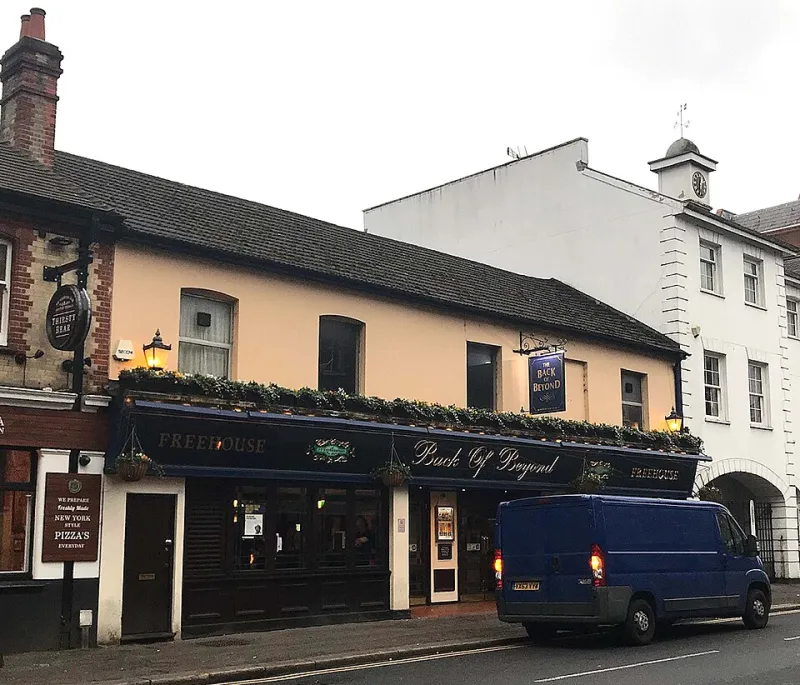
Photo: Steve Daniels , CC BY-SA 2.0, via Wikimedia Commons
Walk into a pub back room on a Tuesday evening in 2026 and you might find a book group, a ukulele band, a local history society or a campaign to save the bus route. The village hall has not vanished, but plenty of UK clubs have quietly shifted to the pub. Sometimes it is cheaper. Sometimes it is warmer. Sometimes it is simply the only room left in town.
This is not a hostile takeover of the stackable chair. It is a practical move, and like every practical move it comes with trade-offs. If your group is thinking of swapping the hall for the back room, here are six things that tend to happen next.
1. The room sets the tone before anyone speaks
A village hall says ‘meeting’. A pub back room says ‘gathering that also has a meeting’. That is not a small difference. The lighting is softer, the chairs are less likely to be bolted together and there is usually a faint smell of chips. People arrive early because there is somewhere to sit. The chat starts before the agenda does. The formal bit can feel less intimidating, which is good for newcomers and less good for anyone trying to call the room to order.
The trade-off is control. A hall gives you a blank canvas, a projector screen and a kitchen. A pub gives you atmosphere, but you may also get a quiz night leaking through the wall, a stack of beer crates in the corner or a function room that is really a corridor with ambitions. Visit at the same time of day as your meeting before you commit.
2. The money question changes shape
Hall hire is usually a straight bill. A pub room often comes as a minimum spend, a small hire fee or a ‘we’ll see how it goes’ arrangement with the landlord. That can be brilliant for a club with twenty regulars who will all buy a drink. It can be less brilliant for a committee that cannot guarantee numbers, or for a group that includes people who do not drink.
Ask the boring questions early: Is there a minimum spend? Does it apply to food as well as drinks? Is the room exclusive to us? What happens if we cancel? Do we have storage for the raffle box? A free room is rarely free, but it can still be good value if the numbers stack up. Put the arrangement in writing, even if it is a friendly one.
3. The guest list shifts — but not always for the better
Pubs can attract people who would never set foot in a village hall. They feel more informal, less institutional, less like a school assembly. A club that meets in a pub may pick up younger members, casual drop-ins and people who like the idea of a social life that does not require joining a committee on the first night.
But a pub is not a neutral space for everyone. Non-drinkers may worry about pressure, even if none exists. Families may not feel welcome after a certain hour. People with mobility issues need to know about steps, toilets and lighting. Someone who does not drink for religious or health reasons should not have to explain themselves at the bar. The fix is simple and unglamorous: say clearly that soft drinks are fine, start early enough for families, check the access, and make the welcome explicit. A pub can widen the door, but only if the club does the work.
4. The landlord becomes an unofficial committee member
A good landlord can be a genuine asset. They put your poster up, save you the quiet corner, lend you a projector and tell the regulars what you are doing. They may even become a partner in fundraising or help you find a guest speaker. In a small neighbourhood, that relationship can be worth more than any noticeboard.
It also makes you dependent on goodwill. A change of management can upend the diary. A new owner may want the room for sport or food. The club that has built its whole identity around one back room can find itself homeless at short notice. Treat the landlord well, pay on time, leave the room tidy and do not assume the arrangement is permanent. Good neighbours make good arrangements, but good arrangements still need a plan B.
5. Noise and timing are the trade-off
Pubs are social places, and social places are noisy. If your meeting clashes with a big match, a pub quiz or a live band, the treasurer’s report will be competing with a meat raffle. Ask about the fixtures. Ask whether the room has a door that actually closes. Ask what time the music starts.
The upside is that the meeting often gets shorter. People come for the social bit, so the formal bit is less likely to sprawl. The downside is that some members will arrive late, leave early or treat the minutes as a background podcast. A chair who can keep things moving is worth their weight in bar snacks. Start on time, finish on time and let the social bit happen afterwards.
6. The club becomes part of the neighbourhood’s living room
This is the quiet magic of the pub move. The group stops being a thing that happens behind a hall door and becomes part of the street’s ordinary life. You bump into members at the bar. The pub quiz team borrows your star player. The landlord asks your club to run a raffle for the local food bank. The boundary between ‘club night’ and ‘neighbourhood’ gets a little thinner.
That is worth having. But it is not a reason to pretend the pub suits every group. A choir needs acoustics. A toddler group needs a safe floor and a kettle. A bereavement group needs privacy and a quiet corner. The best room is not the most fashionable one. It is the one people actually turn up to, feel comfortable in and can afford.
So test the back room before you move the whole club into it. Sit in the corner with a lime and soda. Listen to the noise. Check the loo. Ask who else is in that night. Then decide. The pub can be a brilliant home for neighbourhood life — as long as the club remembers it is a guest, not the landlord.